The Call That Changes Everything
Margaret Chen got the letter on a Thursday. Her 78-year-old mother’s entire medical history had been compromised in what investigators are calling one of the largest Medicare data breaches in U.S. history. Seven years of prescription records. Diagnostic codes revealing her diabetes and heart condition. Her Social Security number. All of it sitting in some hacker’s database, likely for sale to the highest bidder.
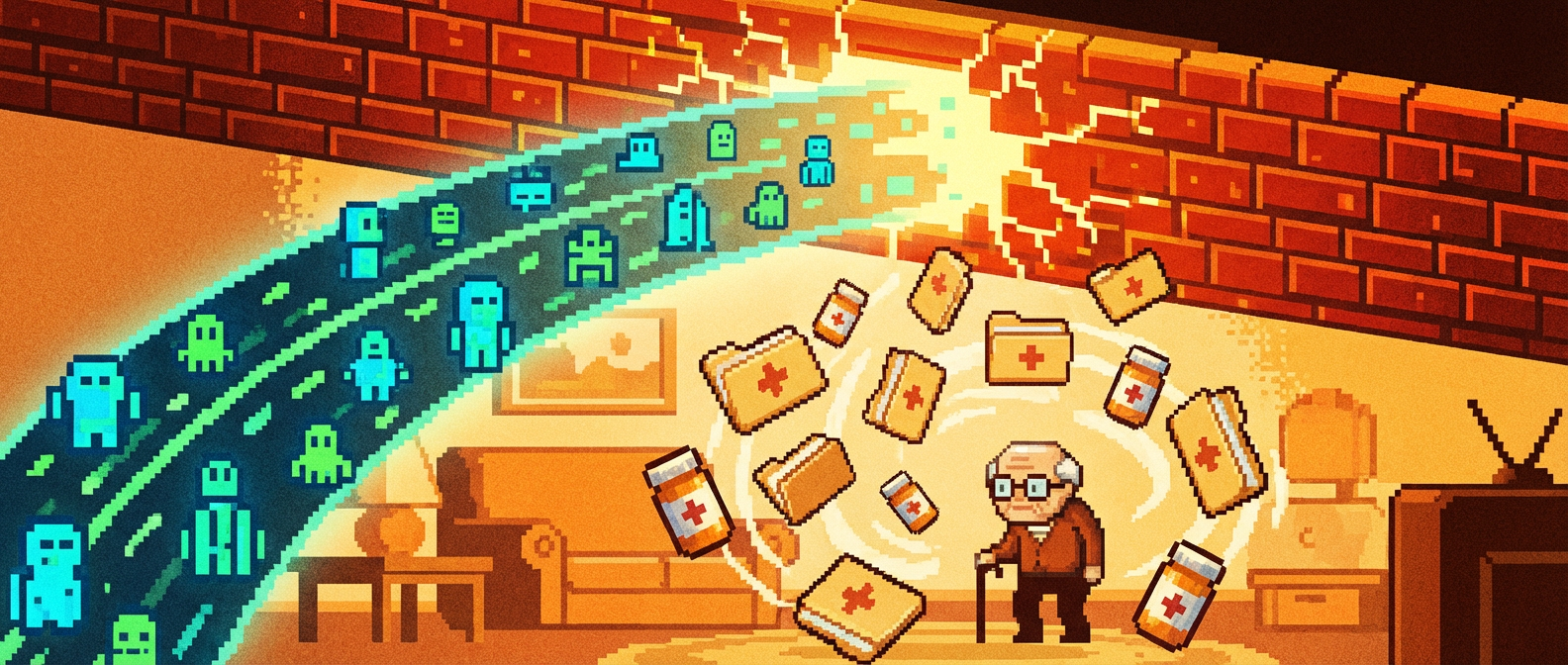
Chen’s mother is one of 3.2 million Medicare beneficiaries whose complete medical records were accessed when hackers broke into UnitedHealth’s Optum division. The company confirmed the breach on February 28, nearly seven weeks after it actually happened. That delay matters more than you might think.
Here in our community, at least 1,200 residents are directly affected. I’ve spent the past week calling local seniors, their adult children, and healthcare advocates. The pattern is always the same. Shock. Anger. Then the questions nobody wants to ask: What happens now? How do we protect Mom? Who else has this information?

How a Tampa Server Became Ground Zero
The breach didn’t start with sophisticated international criminals or state-sponsored hackers. According to the HHS Breach Investigation Report, it began with something mundane and preventable. A contractor server in Tampa lacked basic two-factor authentication. The digital equivalent of leaving your front door not just unlocked, but wide open.
Federal investigators traced the attack to this single point of failure. The hackers gained access to prescription data, diagnostic codes, and Social Security numbers dating back to 2019. They had free run of the system for weeks before anyone noticed. Every doctor’s visit your parent made. Every medication they’ve taken. Every diagnosis that reveals their most vulnerable health conditions.
What makes this particularly infuriating is how preventable it was. Two-factor authentication isn’t cutting-edge technology. It’s basic security that most of us use to protect our email accounts. Yet a company handling billions in Medicare funds and millions of medical records apparently couldn’t implement this basic safeguard.
The Pattern You Need to Know About
This isn’t an isolated incident. It’s the third major Medicare Advantage breach in just 18 months. Combined, these attacks have compromised 8.7 million seniors’ personal health information. That’s nearly one in seven Medicare Advantage beneficiaries nationwide.
The timing tells a story. These aren’t random attacks. Healthcare data has become a goldmine for cybercriminals. A complete medical record sells for up to $1,000 on the dark web, compared to about $5 for a stolen credit card number. The math is simple: seniors’ health data is worth 200 times more than their financial information.
Senator Elizabeth Warren has called for emergency hearings after learning about the 47-day disclosure delay. That seven-week gap wasn’t just bureaucratic foot-dragging. It gave criminals nearly two months to exploit stolen information while victims remained unaware and unprotected. The Senate Finance Committee Hearing Schedule shows these sessions could begin as early as next month.
What This Means for Your Family Right Now
If your parent or grandparent has Medicare Advantage coverage, assume their information is compromised until proven otherwise. The notification letters are still going out, but many affected families haven’t received them yet. Don’t wait for official confirmation to take action.
Medical identity theft looks different from financial fraud. Criminals use stolen health information to file fake insurance claims, obtain prescription drugs for resale, or access medical services under someone else’s identity. The victim often doesn’t discover the theft until they receive mysterious medical bills or their insurance denies legitimate claims because their “annual limits” have been exceeded by fraudulent activity.
The immediate steps matter. Help your elderly relatives monitor their Medicare Summary Notices for unfamiliar charges or services. Set up credit monitoring specifically for medical-related accounts. Most importantly, document their current health status and medication list. If criminals start filing false claims, you’ll need this baseline to prove what’s legitimate and what’s fraudulent.
The Questions Nobody’s Answering
UnitedHealth says they’ve “secured the compromised systems and implemented additional safeguards.” But what does that actually mean? How many other contractor servers lack basic security? How many more Margaret Chens are about to get life-changing letters in the mail?
The company manages health data for nearly 50 million Americans. If a contractor in Tampa could access 3.2 million records without proper authentication, what about contractors in Phoenix or Atlanta or right here in our state? The scope of potential vulnerability is terrifying.
Meanwhile, the human cost grows daily. I’ve spoken with seniors who are now afraid to seek medical care because they don’t trust the system to protect their information. Others are considering dropping their Medicare Advantage plans altogether, even though that could leave them without adequate coverage. These aren’t abstract policy discussions. These are our neighbors making impossible choices because companies prioritized profit over protection.
This story is far from over. As federal investigators dig deeper and more families discover they’re affected, we’ll continue tracking every development. If you or your family members have been impacted by this breach, or if you have information about similar incidents, reach out. Your story matters, and together we can hold these companies accountable for protecting the people they’re supposed to serve.
