The $50,000 Problem Nobody Saw Coming
District Attorney Patricia Williams thought she had her 2025 budget locked down. Then the state legislature dropped the Digital Evidence Authentication Act on every prosecutor’s desk like a legislative hand grenade. Starting January 2026, every piece of video evidence heading to court needs certified deepfake analysis first.
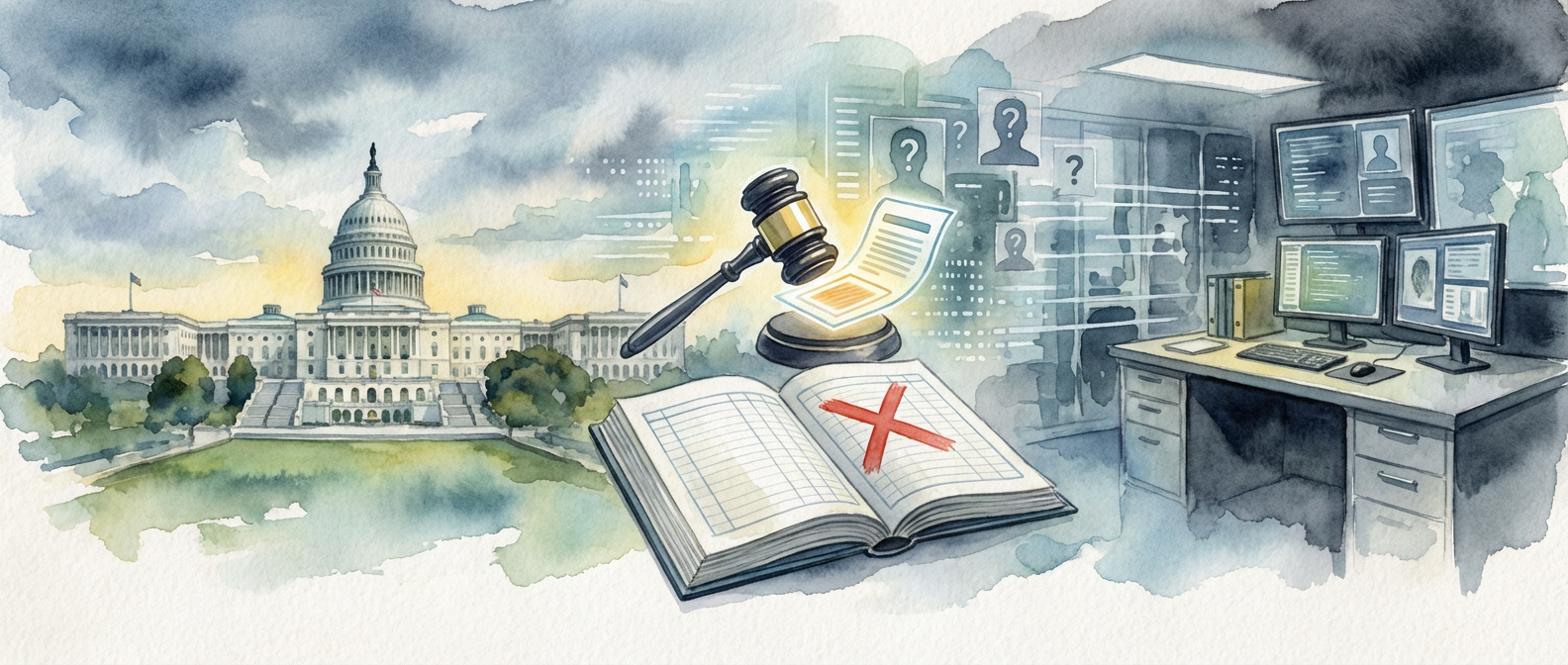
The price tag? Fifty thousand dollars annually for Williams’ office alone. That’s new detection software, mandatory staff training, and the kind of headache that keeps elected officials awake at 3 AM wondering where the money comes from.
“We’re talking about retrofitting our entire digital evidence workflow in six months,” Williams told me Tuesday morning, her desk already cluttered with vendor quotes and certification requirements. “The legislature passed this with zero funding mechanism. They basically said ‘figure it out.'”
When Video Evidence Becomes Questionable
The county’s first test case is already causing problems. A robbery suspect’s alibi video, previously considered rock-solid evidence, is now sitting in limbo while state-certified technician Mark Chen runs it through the new authentication protocols. The case that should have wrapped up in October is now scheduled for February at the earliest.
Chen, one of only twelve technicians statewide who meet the law’s certification requirements, can barely keep up with requests. His analysis queue stretches three months out. Every day brings new cases requiring his specialized equipment and training.
The backlog is real and growing. Thirty-four felony cases in our county alone are stalled while waiting for video authentication. That’s 34 defendants sitting in jail or out on bail, 34 sets of victims waiting for justice, and 34 cases eating up court resources with continuance after continuance.
Defense Attorneys Strike First
Defense attorney Lisa Park saw the opportunity immediately. Since January, she’s successfully challenged evidence in three separate cases, arguing that the prosecution’s video authentication didn’t meet the new state digital evidence standards. Two defendants walked free. The third got a plea deal that was significantly better than what prosecutors originally offered.
“The law is the law,” Park explained during a brief phone conversation between court appearances. “If the state mandates certified deepfake analysis, then anything less than that is inadmissible. I’m not being difficult. I’m protecting my clients’ constitutional rights.”
She’s right, technically. But her technical correctness is creating practical chaos in courtrooms across the county. Judges are increasingly frustrated with delays, prosecutors are scrambling for alternative evidence, and case backlogs are mounting faster than anyone expected.
The Money Trail Leads Nowhere
Williams has tried every funding avenue she can think of. The county commissioners claim their hands are tied by existing budget constraints. The state legislature that passed the mandate provided no implementation funding. Federal grants for digital evidence upgrades have six-month application windows and year-long approval processes.
Meanwhile, the clock is ticking toward January 2026, when partial compliance becomes zero compliance in the eyes of defense attorneys and appellate courts. Williams estimates she needs the full $50,000 by December to have any chance of meeting the deadline. That means cutting other programs or finding money that simply doesn’t exist in current allocations.
“We’re looking at potentially dismissing cases because we can’t afford to process the evidence,” she admitted. It’s the kind of statement that would have seemed absurd two years ago. Today, it’s the reality of unfunded mandates meeting fiscal constraints in real time.
The irony isn’t lost on anyone paying attention. The law designed to ensure evidence integrity is creating a system where evidence can’t be processed at all. Legal technology compliance updates keep arriving weekly, but none address the fundamental question of who pays for implementation.
What Happens Next
Williams is scheduled to present her funding request to the county commissioners next Tuesday at 2 PM. It’s a public meeting. She’s hoping community pressure might help squeeze money from an already tight budget. The alternative is watching felony prosecutions grind to a halt while defendants and victims wait for a solution that may never come.
Chen, meanwhile, is training two more technicians to help reduce the authentication backlog. But training takes months, certification requires state approval, and the equipment costs run into six figures. Even if everything goes perfectly, the capacity shortage won’t resolve until late 2026 at the earliest.
This isn’t just about one law or one budget crisis. It’s about what happens when good intentions in the state capital crash into limited resources in county courthouses. The deepfake detection requirement makes sense in theory. In practice, it’s creating exactly the kind of justice delays that undermine public confidence in the legal system.
I’ll be watching Tuesday’s commissioners meeting closely. If you care about how justice works in practice rather than theory, you should be there too. Sometimes the most important decisions get made in the most mundane settings, and this budget crisis deserves more attention than it’s getting.
