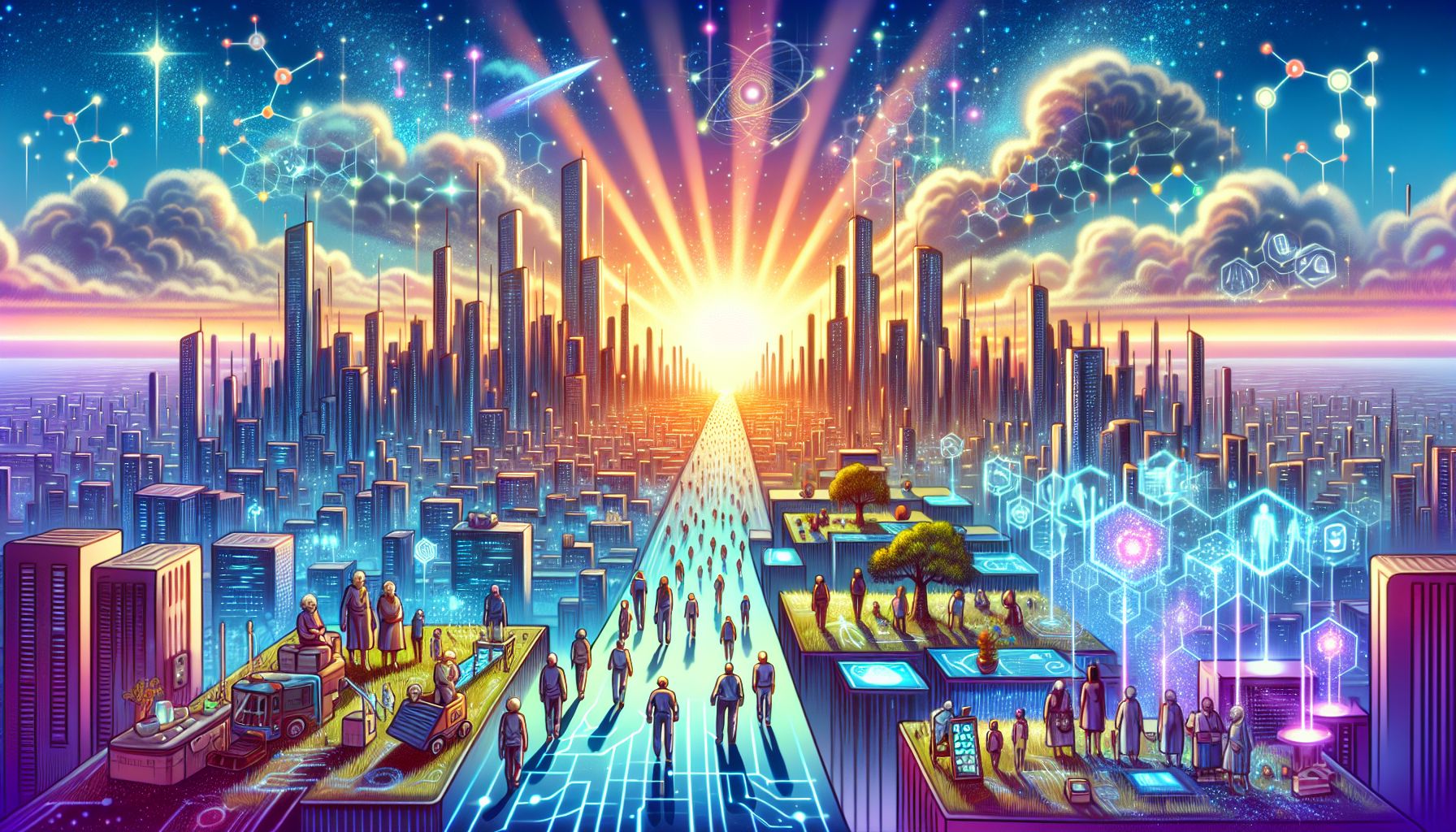
Hey tech aficionados! Today, let’s dig into one of the most exciting and controversial topics rattling the scientific community: longevity. Living longer isn’t just a dream found in science fiction novels anymore. We’re about to completely flip our understanding of human aging, thanks to some mind-blowing advances in biotechnology, AI, and personalized medicine. Our techno-utopian quest for eternal youth might not be as crazy as it once seemed.
How Did We Get Here?
People have been obsessed with longevity since forever. But for most of human history, it stayed locked in myth and legend—the Tree of Life, the Fountain of Youth, various magical elixirs. Today’s discussion is different. It’s grounded in actual science and technology, and several major discoveries have really picked up the pace.
The Science of Aging
To understand longevity, we need to get aging first. It’s a complex process shaped by genetic, environmental, and lifestyle factors. For the longest time, aging was just seen as inevitable decline. But current research is rewriting that story—aging might be a condition we can delay, stop, or even reverse.
The key players? Your cells’ ability to repair themselves, how your metabolism works, hormone signaling, and keeping your DNA intact. Then there are the mysterious but important roles of telomeres, mitochondrial function, and epigenetics. Understanding these has given scientists several targets for intervention.
Breakthroughs and Barriers
So what are these new research areas that have everyone from tech billionaires to hardcore scientists absolutely buzzing with excitement?
-
Senolytics: These compounds target and clear out senescent cells—the dysfunctional cells that pile up as you age and fuel chronic inflammation (scientists call it ‘inflammaging’).
-
Gene Therapy: Techniques like CRISPR-Cas9 have completely changed how precisely we can edit genes, opening doors for interventions that could delay or even reset our biological clocks.
-
AI and Machine Learning: These technologies crunch massive datasets to find patterns and potential aging interventions—it’s like striking gold for researchers trying to optimize human healthspan.
-
NAD+ Boosters: Nicotinamine adenine dinucleotide (NAD+) is a coenzyme that drops as we age. Compounds like NMN and NR that boost NAD+ levels are getting a lot of attention and stirring up debates.
-
Metformin and Rapamycin: Originally used for treating conditions like diabetes, these drugs show real promise for extending lifespan by mimicking caloric restriction and regulating mTOR pathways.
Where Science Meets Silicon Valley
Now let’s talk about where silicon meets biology: tech startups and industry giants investing billions to crack the aging code and create real longevity solutions.
Tech Titans and Biohackers
Entrepreneurs like Peter Thiel, Larry Page, and Sergey Brin are pouring massive resources into startups like Calico and Unity Biotechnology. They’re using cutting-edge research to slow down or eliminate aging. Even Elon Musk gets pulled into this through his neurotechnology work with Neuralink, potentially pioneering brain-computer interfaces for cognitive longevity.
The Role of AI
Artificial Intelligence is absolutely central here, unlocking possibilities that used to seem impossible. Deep learning models speed up the identification of new drug candidates by analyzing millions of compounds to measure effectiveness and potential side effects in days instead of years. Companies like Insilico Medicine and Google DeepMind are leading the charge.
Investment Galore!
Investment in longevity tech is exploding. VCs are treating aging-focused startups as the next big frontier in biotech—kind of like they did with AI a decade ago. The “longevity dividend” is too tempting to ignore. A healthier, longer-lived population could add trillions to the global economy.
Societal Implications: The Ethics and Paradoxes of Longevity
But with great power comes great responsibility. As we push scientific boundaries, we have to think about what extending lifespan really means for society.
Ethical Quandaries
Who gets access to these technologies? Will only wealthy elites benefit, making social inequities even worse? There’s also the overpopulation issue, though optimists argue that as medical technology advances, so will our ability to tackle the associated challenges.
Philosophical Debates
What about existential questions? Do we lose something essentially human when we no longer face mortality the same way? Would life’s urgency disappear, affecting how we value our experiences? These questions need serious consideration as we move forward.
Regulation and Risk
Regulation often can’t keep up with innovation. Bringing aging treatments to market involves potential backlash and ethical dilemmas around human trials and unforeseen consequences. Regulations need to evolve quickly to balance innovation with safety and ethics.
The Future Is Now
So what’s next in this possibly harmonious (or discordant) symphony of science and technology in longevity?
Expect more integrated approaches combining AI, biotechnology, genetics, and even ancient wellness practices. While mainstream ‘eternal youth’ may still be decades away, incremental innovations are already improving quality of life for aging populations.
A Call to Action
Consider getting involved in conversations around these developments. Stay informed, support responsible research, and maybe try your own brand of biohacking—but be careful! Remember, while your lifespan clock may tick slower thanks to these innovations, what matters is that it ticks through a life full of healthy, happy days.
Here’s to a future where our longevity dreams aren’t just mythical fantasies, but real, tangible possibilities. Cheers!
