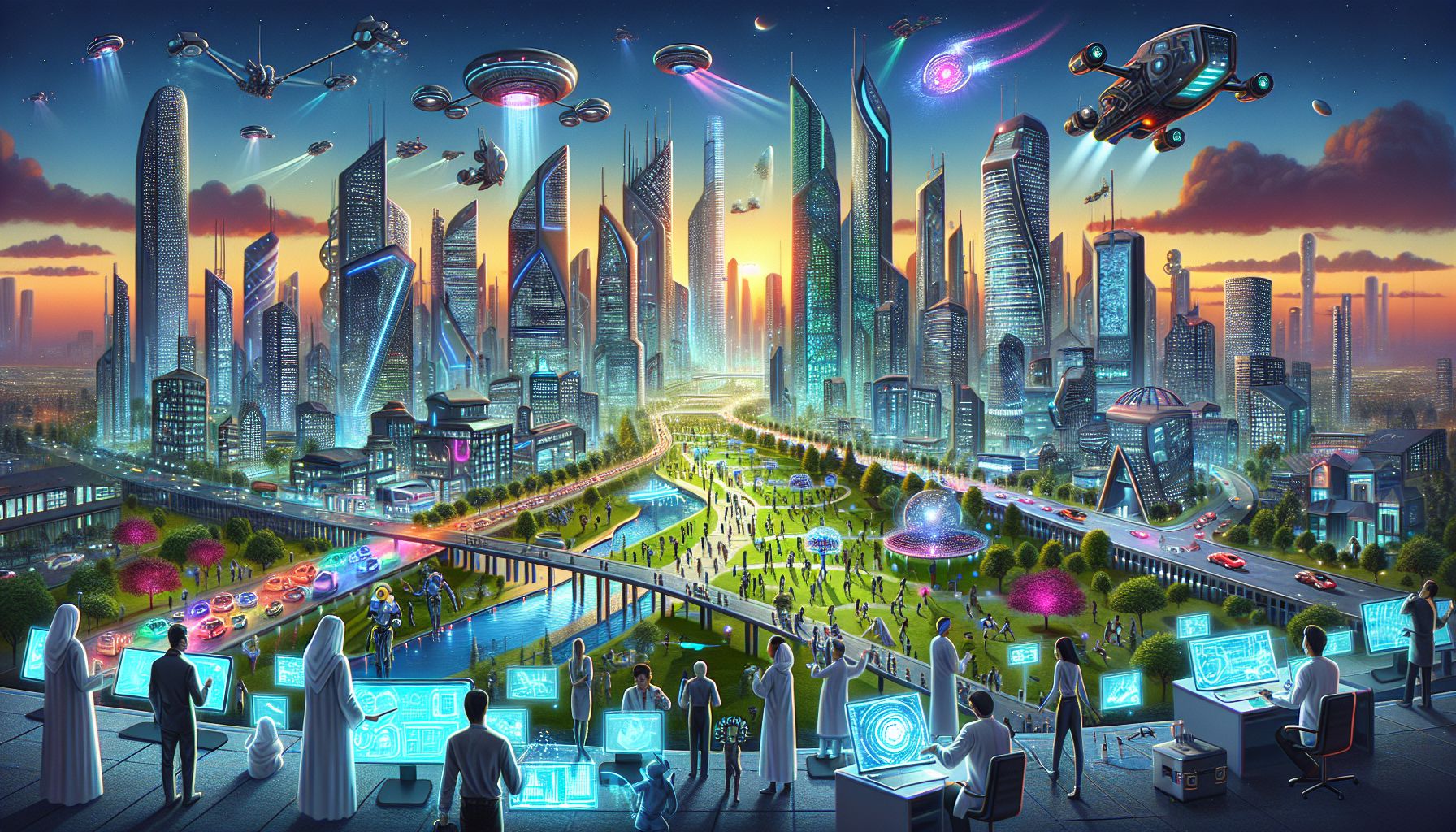
Hey, fellow futurists! Welcome to another day of exploring emerging technologies. Today, we’re going cosmic yet intimately personal as we tackle a subject that taps into one of humanity’s oldest dreams: living longer, healthier, and more vibrant lives. Yep, we’re diving into the fascinating world of longevity science.
As someone who geeks out on utopian visions, longevity research feels like Christmas morning. Societies forever seek the elixirs of youth and vitality, but this time around, science and technology might finally be catching up with our fantasies. From advanced wearables for real-time health monitoring to cutting-edge gene therapies, we’re not just prolonging life. We’re enhancing the quality of those extended years. So, grab your kale smoothie (if that’s your thing) and settle in as we explore how modern tech could be your ultimate anti-aging regimen.
The Fountain of Youth Redux: The Renaissance of Longevity Research
Remember when “The Fountain of Youth” was just a whimsical tale circulated around campfires? Fast forward to 2023, and this fountain is being built by data scientists, biologists, and biotechnologists. The longevity industry is booming, fueled by Silicon Valley moguls, venture capitalists, and international research labs. Where tech meets biology, extraordinary developments are reshaping our biological clocks.
The core idea is simple: why not treat aging as a disease that can be cured or at least managed? Researchers approach aging as a condition that opens the door to medical interventions. Here are some exciting breakthroughs you need to know about.
AI and the Age of Agelessness: The New Healthcare Frontier
Artificial Intelligence isn’t just about building smart home devices or virtual assistants anymore. It’s now moving into agelessness territory. AI’s potential in longevity comes in two flavors: diagnostic and therapeutic.
On the diagnostic side, machine learning algorithms are becoming extraordinarily good at identifying aging biomarkers. These molecular indicators tell us biological age beyond just counting candles on birthday cakes. By predicting how our bodies age, these algorithms offer personalized recommendations for lifestyle adjustments or early intervention therapies. Imagine receiving a custom longevity plan engineered just for your genetic blueprint.
For therapeutic applications, AI is proving essential in drug discovery and genomics. By crunching massive amounts of data, AI can predict which compounds could slow aging, helping pharma companies develop anti-aging drugs more efficiently. On average, a drug takes 10-15 years and $1 billion to develop, but with AI, this could drastically cut down both time and costs.
The Biotech Renaissance: CRISPR and Gene Editing
Think of CRISPR-Cas9 as the avant-garde artist of the genetic world, wielding the pencil of life to erase and rewrite codes of aging like never before. This gene-editing technology enables scientists to precisely modify human DNA, promising remarkable potential in extending lifespan and improving longevity.
Recent research has shown CRISPR’s role in removing senescent cells, those dormant cells that silently contribute to tissue aging and chronic disease. Eliminate them (or change them), and you could potentially stop, even reverse, some aging effects. No wonder everyone in the biotech arena has their eyes on CRISPR, hopeful for it to go from powerful promise to standard practice.
Wearables: From Fashion Statements to Longevity Guardians
Ah, the cool appeal of wearables. But guess what? Your smartwatch isn’t just counting steps anymore. It’s becoming your personal health guardian. These devices are getting downright chatty, equipped with ever-advancing sensors that monitor vital stats in real time.
We’re entering the era where wearable tech intersects with IoT (Internet of Things) to provide continuous health monitoring that informs you and your healthcare provider about your aging trajectory. The data gathered helps assess risks such as heart disease, diabetes, and other chronic conditions that add years to your age but not necessarily life to your years.
The Microbiome: The (Really) Tiny Powerhouse
Move over, mitochondria. Your gut has more microbiomes than backyard BBQs have hotdogs. Recent studies have tied the wealth of microbial life forms in our gut to longevity. A healthy microbiome contributes to improved digestion and metabolism and even regulates mental health, which is increasingly recognized as important to aging well.
Prebiotics and probiotics that aim to optimize gut health, customized to individual needs, are gaining traction as viable interventions for a longer, healthier life. Who would’ve thought your stomach could end up being your most futuristic organ, eh?
Think Global, Act Longevity: The Societal Implications
With all these advances, one can’t help but consider the societal implications. What would a world look like where centenarians are the norm, not the exception? While I’m thrilled about anti-aging technologies’ potential, ethical questions still linger: Will these technologies be accessible to everyone, or just the wealthy? How do we manage overpopulation if lives are extended significantly? These are tough questions, with equally challenging answers lying in collaborative, regulatory frameworks that ensure these visions are fully realized.
In Conclusion: Aging Is Optional, At Least, It’s Getting There
The field of longevity science is a bustling marketplace of ideas, each promising to bring us closer to a future where age is, at least partly, just a number. From AI breakthroughs to CRISPR’s magic to microbiomes’ starring roles, the toolbox for elongating life is rapidly expanding. Understanding the fundamentals of these emerging technologies, and advocating for ethical guidelines, will help us navigate this brave new world.
As we continue along the path of healthy aging, we must champion a comprehensive approach. These technologies are not silver bullets. They are partners, facilitators in our quest for wellness. In our race against time, collaboration is important, not just among scientists and technologists but governments, industries, and individuals. Let’s work together to redefine what getting older means, setting the pace for a healthier, more fulfilled life.
So, here’s a toast. Raise your turmeric-infused, antioxidant-loaded cocktails to the oxymoron we’re all leaning into: ageless aging. Cheers to being forever young, in spirit, if not entirely in body. Until next time, live long and prosper!
Stay tuned, and keep pushing the boundaries, my friends.
